
Xbox’s ad-supported cloud gaming tier is not a pricing experiment. It is a signal that gaming is about to behave a lot more like media, and a lot less like a closed ecosystem.
For years, gaming has been treated as one of the last premium environments in media, where audiences pay upfront, brands stay at the edges, and the experience remains insulated from the mechanics shaping everything else online, although that separation is starting to break, and Xbox’s ad-supported cloud tier makes that shift explicit. The narrative will focus on accessibility, which is true but incomplete, because the deeper change is structural, as gaming moves from a product you buy into a platform you access, and once that happens, the commercial model inevitably changes. When games are streamed instead of installed, they begin to behave less like software and more like environments, and environments can be monetized in far more flexible ways.
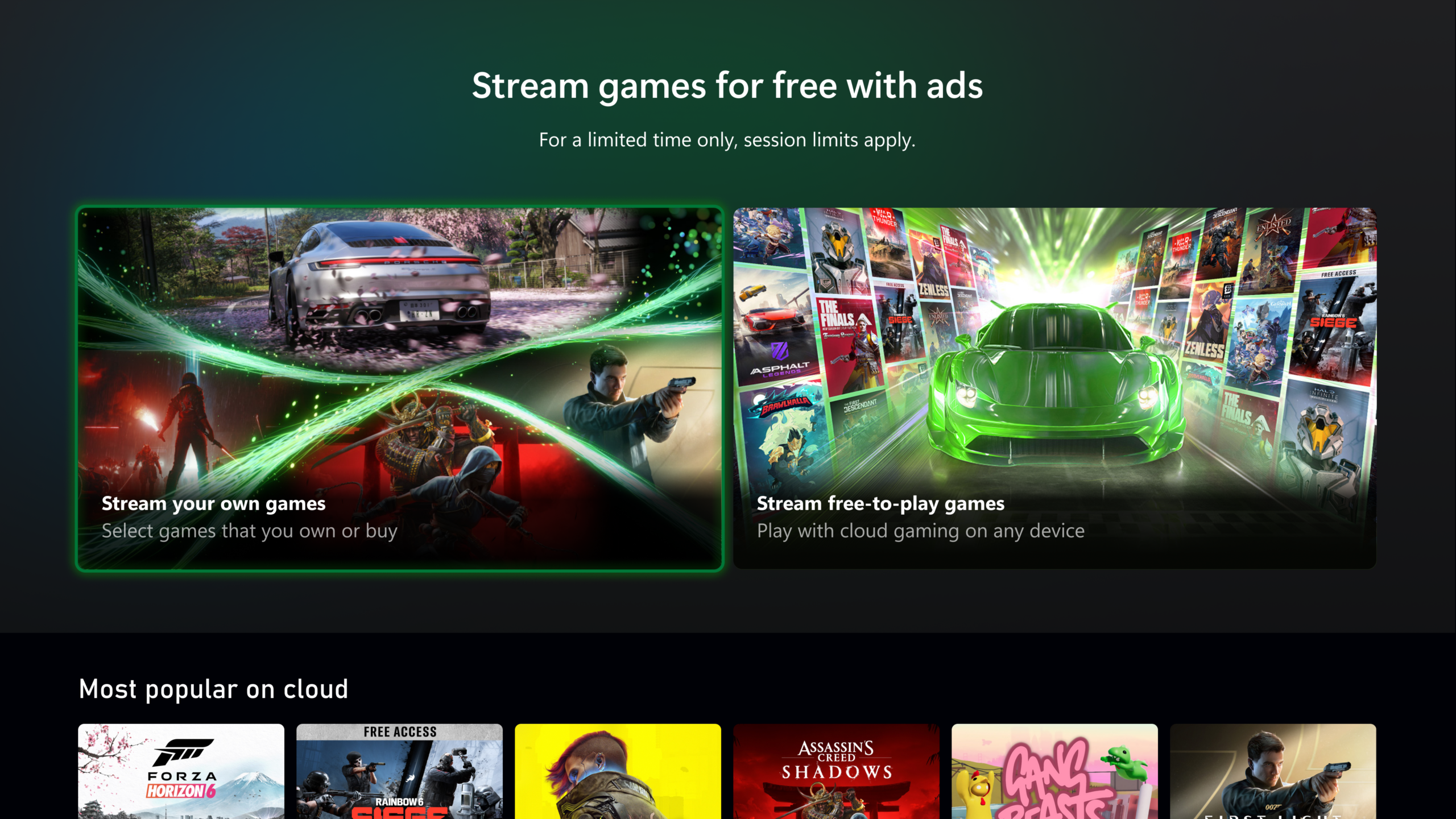
Most marketers will default to the wrong mental model, because they will treat this as another version of in-game advertising, a category that has historically underdelivered due to static placements and awkward integrations that trained both brands and players to expect very little. Cloud gaming changes the rules, because the experience is no longer tied to a device and is instead mediated through a platform layer that shapes how and when interaction happens, which expands viable surfaces across entry points, loading states, matchmaking, menus, and the edges of gameplay itself, meaning the opportunity exists around the experience as much as inside it. That distinction matters, because the value is not a logo in a virtual world, but the ability to understand context in real time and act without breaking immersion, which starts to resemble a streaming media model, although one where the user is actively participating rather than passively consuming.
Participation changes the tolerance for interruption, because poorly timed messaging does not just get ignored, it degrades the experience, which makes the constraint the opportunity, since it forces precision around timing, context, and relevance. An ad-supported cloud tier is not just inventory, it is a forcing function for better execution, and it also enables session-level understanding, where messaging reflects not just who someone is, but what they are doing in a specific moment, which is fundamentally different from buying impressions against a broad category of gamers and requires more strategic discipline. There is also a more uncomfortable question, which is whether gaming loses its value once it starts to look like every other ad-supported environment, an outcome that is possible but avoidable depending on how aggressively platforms choose to monetize attention.
If this becomes another channel defined by frequency overload and poor targeting, players will reject it quickly, because gaming audiences are less tolerant of intrusion than passive media audiences, although if the platform treats this as an opportunity to rethink how brands show up in interactive environments, the upside is significantly larger. Gaming has always offered depth, time spent, and immersion that other channels struggle to replicate, even if the industry has not translated that into a scalable commercial model without compromise, while cloud gaming creates the infrastructure for that balance, even if execution is not guaranteed. For marketers, the takeaway is not a new pool of inventory, because that is the least interesting part of the story, as the real shift is that gaming is moving toward the center of the media ecosystem, where the lines between content, platform, and advertising continue to blur, which means the question is no longer whether you should be in gaming, but whether you understand how to operate in an environment where the audience is actively deciding whether your message deserves to exist at all.